
Wellness tourism is travel designed specifically to improve physical, mental, and emotional well-being through activities like yoga, spa treatments, meditation, and nutrition-focused retreats. It’s a purposeful type of travel where health and relaxation are the main goals, not just sightseeing or adventure.
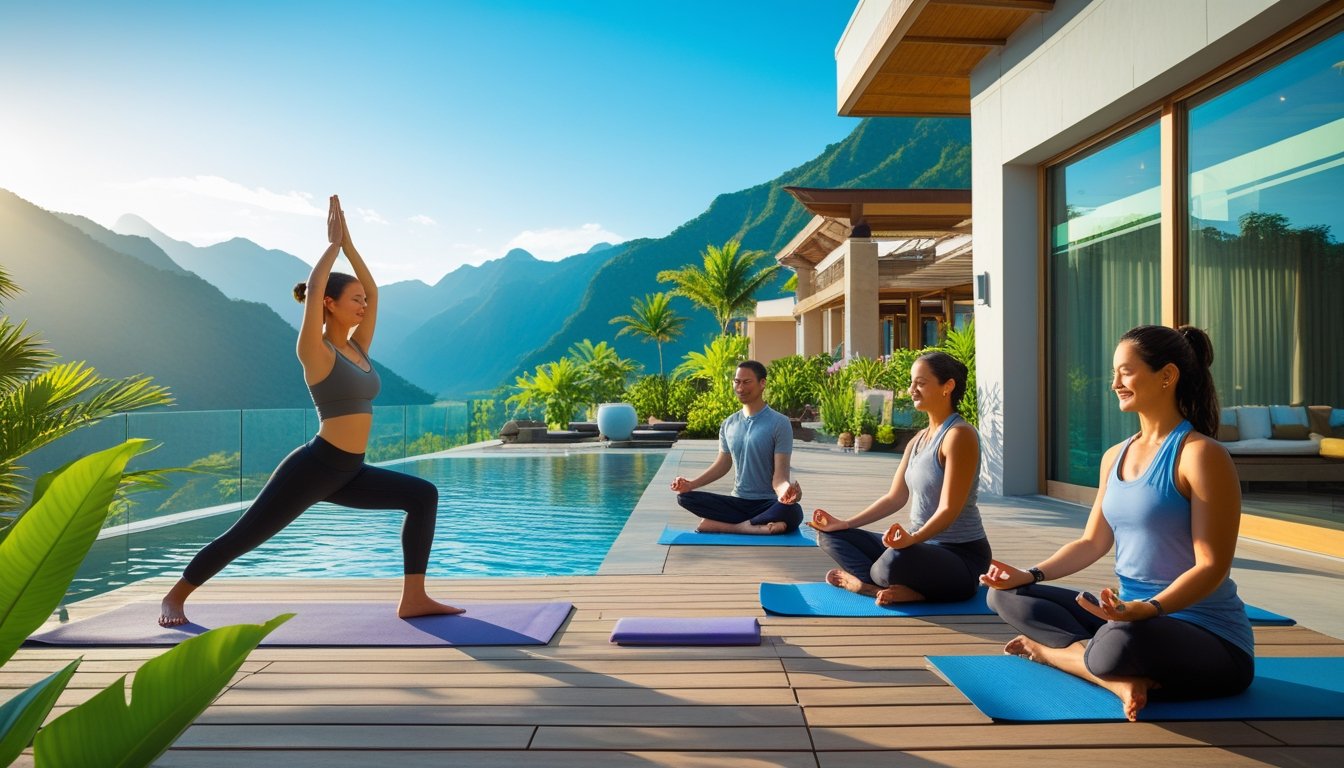
I find wellness tourism especially relevant as more people prioritize holistic health when they plan trips. Unlike traditional vacations, wellness tourism offers experiences that support long-term benefits for body and mind.
This growing trend covers a wide range of options—from quiet spa breaks to active fitness retreats—and appeals to those seeking balance and rejuvenation while traveling. Learning about it can help you choose trips that genuinely enhance your well-being rather than simply replace your daily routine. For more details on its rise and benefits, visit the Global Wellness Institute.
Overview of wellness tourism
Wellness tourism combines travel with activities designed to improve physical, mental, and spiritual health. It focuses on authentic experiences that promote long-term well-being through various treatments and practices. Understanding its definitions, movements, and distinctions helps clarify its growing appeal and scope.
What Is Wellness Tourism?
Wellness tourism involves traveling specifically to enhance health and well-being through physical, psychological, or spiritual activities. These activities include yoga retreats, meditation, spa treatments, and nature-based experiences. Unlike general vacations, wellness tourism prioritizes reducing stress, boosting physical fitness, and encouraging holistic health habits.
The goal isn’t just relaxation but fostering sustainable lifestyle changes. Travelers often seek immersive experiences that engage body, mind, and spirit in balanced ways. This type of tourism appeals to those looking for more than leisure—it targets personal growth and health promotion on a deeper level.
The Self-Care Movement
The rise of wellness tourism parallels the widespread self-care movement, where individuals take proactive steps to manage mental and physical health daily. This has led to increasing demand for travel experiences that support stress reduction, mindfulness, and fitness.
Wellness tourism fits within this trend by providing environments outside of daily routines conducive to self-care. It offers access to expert-guided practices, from nutritional coaching to therapeutic treatments, that can be difficult to maintain alone at home. By combining travel and self-care, visitors invest in their overall health in a focused and restorative way.
How it Differs to Health Tourism
Wellness tourism and health tourism often overlap but have distinct goals. Health tourism primarily targets medical treatment or recovery, such as surgery, dental care, or specialized medical procedures abroad.
Wellness tourism, by contrast, centers on prevention and enhancement of well-being rather than curing illness. It emphasizes holistic approaches like fitness programs, meditation, and spa therapies rather than clinical interventions. The traveler’s motivation is to maintain or improve health proactively, rather than seeking medical care.
Global Wellness Institute
The Global Wellness Institute (GWI) is a leading authority defining and advancing wellness tourism worldwide. It collects data, promotes standards, and supports research that highlights wellness tourism’s economic and social impact.
According to GWI, wellness tourism generates billions in revenue globally and is one of the fastest-growing sectors in travel. They emphasize its potential to reduce pressure on over-touristed destinations by attracting high-spending travelers interested in unique, authentic health experiences rather than mass tourism. Their work provides valuable insights into trends and growth patterns within the industry. For more, see the Global Wellness Institute’s detailed overview.
Types of wellness tourism
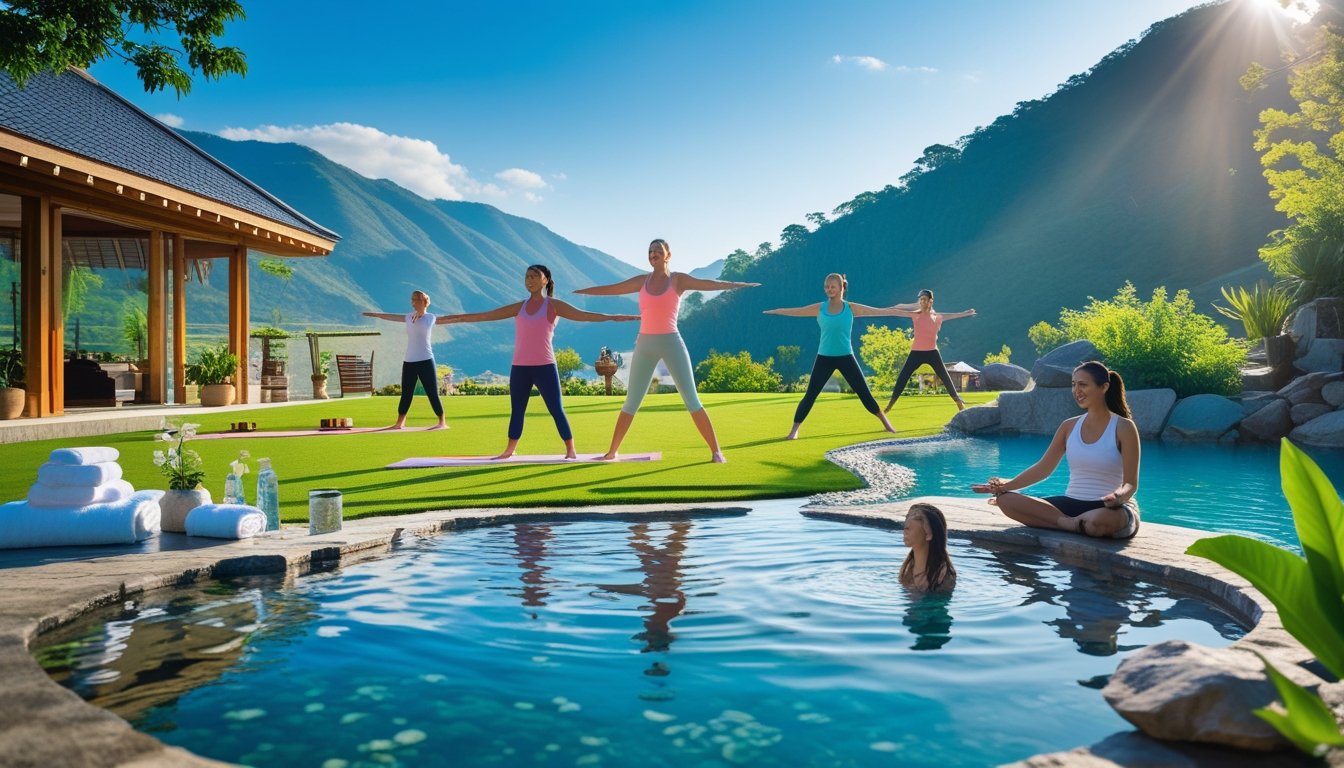
Wellness tourism includes a variety of travel experiences centered on improving health and well-being. These experiences range from physically active options to more restful and spiritual ones, each offering unique benefits depending on personal goals.
Health and spa retreats
Health and spa retreats focus primarily on relaxation and rejuvenation through treatments like massages, facials, and body wraps. They often provide holistic approaches, incorporating nutrition advice, detox programs, and stress management.
Many resorts combine spa therapies with medical or wellness consultations. This creates personalized plans for improving physical health, such as addressing chronic pain or improving circulation. These retreats often include access to pools, saunas, and fitness facilities.
The environment usually promotes calm with natural settings or luxury amenities. This helps visitors disconnect from stress and focus on recovery and self-care.
Yoga and meditation retreats
Yoga and meditation retreats emphasize mind-body harmony through guided practices. They cater to a range of skill levels, from beginners to experienced practitioners, making these retreats accessible to many.
Meditation practices often include mindfulness, breath control, and mental relaxation techniques. The goal is reducing stress, improving focus, and cultivating emotional balance.
Yoga sessions may vary from gentle Hatha styles to more vigorous Vinyasa flows. Retreats sometimes combine both yoga and meditation to deepen the wellness experience in serene locations.
Eco-friendly wellness tourism
Eco-friendly wellness tourism combines environmental sustainability with personal well-being. Travelers choose destinations that minimize ecological impact and support conservation efforts.
Accommodations are often eco-lodges or resorts powered by renewable energy. Activities might focus on nature immersion like forest bathing, organic farming, or wildlife observation.
This type of wellness tourism appeals to those who want to improve health while contributing to environmental preservation. It encourages ethical travel practices and a mindful connection to the planet.
Active wellness tourism
Active wellness tourism includes physically demanding activities that promote health through movement and fitness. Popular options include hiking, cycling, and water sports in natural settings.
These experiences improve cardiovascular health, muscle strength, and endurance. They also provide mental benefits by fostering a sense of achievement and reducing anxiety.
Travelers can select activities based on fitness level, from light walks to mountain climbing. Many active wellness trips include guidance from professionals to ensure safety and maximize health gains.
Spa breaks
Spa breaks are shorter trips focused on spa treatments and relaxation without extended stays. These are often weekend getaways designed to quickly reduce tension and renew energy.
Typical offerings include massages, hydrotherapy, and beauty treatments in comfortable spa settings. Many spas also include access to pools, steam rooms, and relaxation lounges.
Spa breaks are ideal for busy people seeking rapid stress relief. They require minimal planning and can fit into tight schedules while delivering measurable wellness benefits.
Meditation retreats
Meditation retreats provide immersive environments dedicated solely to mental clarity and stress reduction. They often involve silence, guided sessions, and teachings on meditation techniques.
Participants spend time disconnected from electronic devices to deepen concentration. Retreats vary in length from a few days to weeks, allowing gradual progress in mindfulness.
Locations prioritize tranquility and usually offer natural surroundings. These retreats appeal to those wanting to enhance emotional resilience and reduce anxiety through disciplined practice.
Yoga retreats
Yoga retreats focus on comprehensive yoga instruction combined with wellness activities like healthy eating and workshops. These retreats promote physical flexibility, strength, and mental calm.
Programs often include multiple daily yoga sessions, covering postures, breathing, and philosophy. They cater to all experience levels, encouraging personal growth.
Many offer additional activities such as hiking, cooking classes, or spa treatments to complement yoga practice. The holistic approach strengthens mind, body, and spirit connection in supportive settings.
Benefits of wellness tourism
Wellness tourism offers a range of measurable advantages that affect the body, mind, and social aspects of life. It creates tangible improvements that extend beyond simple relaxation or leisure.
Physical revitalization
I notice the most immediate effect of wellness tourism is on physical health. Activities like yoga, hiking, and swimming during these trips strengthen muscles, improve flexibility, and boost cardiovascular health. These focused activities often incorporate expert guidance or tailored fitness programs that maximize physical benefits.
Many wellness retreats include nutrition-focused plans that encourage healthier eating habits. This combination of physical activity and better nutrition helps me feel re-energized and physically restored. It can also accelerate recovery from long periods of inactivity or stress.
Mental restoration
The mental health benefits of wellness tourism are significant and intentional. The quiet environments and structured practices like meditation or mindfulness reduce stress levels and anxiety, inducing a deep state of mental calm.
I find that spending time away from everyday pressures combined with activities aimed at mental clarity can break negative thought cycles. Some programs also include therapies such as counseling or group workshops that reinforce emotional resilience.
Improved overall well-being
Wellness tourism targets holistic improvement, connecting body, mind, and spirit. This integrated approach advances not only physical and mental health but also emotional balance.
From guided self-reflection sessions to nature immersion, these experiences foster personal growth. Participation in these activities often leaves me with enhanced confidence, a clearer sense of purpose, and a stronger commitment to ongoing healthy habits.
Long-term health improvements
The impact of wellness tourism can extend well beyond the duration of the trip. I’ve seen that returning travelers frequently maintain better stress management practices, improved sleep, and consistent physical activity routines.
Regular engagements with wellness activities create habits that help prevent chronic illnesses and promote longevity. The personalized wellness plans offered by many retreats support sustainable lifestyle changes that improve long-term health outcomes.
Contribution to local economies
Wellness tourism also benefits the communities that host it. By supporting local spas, wellness centers, and organic farms, travelers contribute to job creation and small business growth.
This economic boost often motivates the preservation of natural and cultural resources. Local economies benefit from diversified income streams related to wellness travel, enhancing community resilience.
Cultural exchange
I find that wellness tourism encourages meaningful cultural exchange. Travelers engage with local traditions, healing practices, and cuisine that broaden their understanding of global wellness approaches.
This interaction can deepen appreciation for cultural diversity and encourage respect for different health philosophies. Exposure to new customs often inspires travelers to incorporate aspects of these traditions into their own wellness routines.
Improved relationships and social engagement
Engaging in wellness tourism can strengthen personal relationships. Many retreats offer group activities, workshops, and shared experiences that foster social connection.
These structured interactions can improve communication skills, empathy, and emotional support networks. Whether with family, friends, or new acquaintances, wellness travel often enhances social well-being and a sense of community.
Popular destinations for wellness tourism
Wellness tourism offers diverse experiences shaped by each location’s natural features and cultural traditions. Some places stand out for their unique healing practices, serene environments, or a mix of adventure and relaxation options.
Iceland
Iceland’s geothermal resources form the backbone of its wellness appeal. I find soaking in natural hot springs like the Blue Lagoon revitalizing, with mineral-rich waters known for skin benefits. The volcanic landscape also provides dramatic backdrops for outdoor activities like hiking and yoga retreats.
The country’s crisp air and sparse population contribute to a sense of calm and mental clarity. Wellness in Iceland often combines physical therapies with nature immersion, making it ideal for resetting both body and mind. Many resorts incorporate Nordic spa rituals alongside modern wellness technology, which adds variety for visitors.
Thailand
Thailand has a well-earned reputation for affordable, comprehensive wellness services. I’ve noticed the blend of traditional Thai massage, herbal treatments, and holistic healing draws travelers seeking authentic care. Resorts in Chiang Mai and Phuket offer yoga, meditation, and detox programs alongside beachside relaxation.
The country’s warm climate and abundant natural beauty enhance the experience, whether it’s forest retreats or oceanfront resorts. Food plays an important role too; Thai cuisine’s use of fresh herbs supports a holistic approach to health. Thailand remains a hub for wellness tourism because of this integrated model.
India
India’s wellness tourism is deeply connected to ancient traditions like Ayurveda and yoga. Visiting places such as Kerala or Rishikesh, I’ve experienced treatments designed to balance doshas and promote long-term health. Ayurvedic therapies include massages, herbal steam baths, and dietary plans customized to individual needs.
Yoga retreats in India often focus on spiritual growth alongside physical well-being, rooted in centuries of practice. The diversity between bustling cities and calm ashrams gives options for different types of travelers. For many, India offers a profound holistic healing environment unavailable elsewhere.
Costa Rica
Costa Rica’s appeal lies in its lush rainforests, biodiversity, and emphasis on eco-friendly wellness. I appreciate the combination of adventure and relaxation here—activities like guided nature walks and waterfall meditation complement spa treatments.
Many resorts focus on sustainable practices, ensuring the natural environment supports wellness tourism. Hot springs and volcanic mud baths are popular, alongside yoga classes held in open-air jungle settings. The country’s peaceful atmosphere and commitment to green hospitality make it a strong choice for mindful travel.
This remote Indonesian island
Indonesia’s smaller islands are emerging as wellness hotspots, with Bali often leading the trend. But I find that less developed islands offer quieter, more intimate retreats. Immersive experiences include traditional Balinese healing ceremonies, organic farm-to-table meals, and artistic workshops designed to soothe the mind.
The island’s natural beauty, from rice terraces to coral reefs, allows for diverse wellness activities such as snorkeling and forest bathing. The fusion of spiritual practices and nature-based therapies creates a unique healing environment that attracts those seeking authenticity beyond mainstream tourism.
Exploring Palau—the Pacific paradise
Palau is known for its pristine waters and biodiversity, making it a distinct destination for wellness tourism focused on nature connection. I’ve found that the emphasis here is on restorative experiences like kayaking, scuba diving, and mindful exploration of marine life.
The island’s isolation limits crowds, enhancing tranquility and mental relaxation. Wellness resorts offer Pacific-inspired treatments using local ingredients, paired with guided mindfulness sessions. Palau’s combination of adventure and peaceful surroundings supports both physical health and emotional well-being.
For more information on top wellness destinations, visit this page on wellness travel.
Challenges of wellness tourism
Wellness tourism faces obstacles in regulation and environmental management. These challenges affect how destinations maintain quality, safety, and sustainability while growing the market.
Regulatory Issues
One significant challenge is the absence of consistent regulations across countries. This lack causes confusion for both providers and travelers about what constitutes genuine wellness services.
I find that many wellness programs operate without standard certifications. This results in varied service quality, which undermines trust and can deter repeat visitors. Coordinated policy efforts are needed to establish clear safety, ethical, and quality guidelines.
Additionally, the wellness sector often overlaps with medical treatments, complicating legal frameworks. Differentiating wellness tourism from medical tourism requires clearer terminology and regulation to protect consumers and ensure appropriate care.
Environmental Impact
Wellness tourism can inadvertently contribute to environmental degradation. Popular destinations sometimes face overtourism, which strains natural resources and damages ecosystems essential to wellness experiences.
Sustainable practices are critical here. I observe that many wellness resorts attempt to reduce waste, manage water use, and preserve local biodiversity, but implementation varies widely.
Without careful planning, the expansion of wellness sites risks harming the very environments that attract visitors. Balancing growth with conservation is essential to protect destinations and the health benefits they offer.
For a detailed look at these environmental concerns, see wellness tourism growth trends and challenges.
Trends in wellness tourism
Wellness tourism is evolving quickly, shaped by new technologies, changing traveler profiles, and shifting industry priorities. Growth is driven by personalized experiences, a focus on mental health, and the desire for meaningful self-care during travel.
The Future of Wellness Tourism
I see wellness tourism expanding beyond traditional spa and retreat models to encompass holistic health approaches. By 2027, this segment is projected to nearly double in size, reaching $1.4 trillion. This growth is powered by a growing emphasis on sustainable travel practices and integration of indigenous healing traditions.
Travelers increasingly seek experiences that focus on mental health, emotional balance, and environmental connection alongside physical well-being. Wellness destinations now prioritize regenerative tourism, combining transformation with environmental responsibility. These trends reflect a sophisticated demand for travel that supports long-term wellbeing rather than short-term relaxation.
The Role of Technology in Wellness Tourism
Technology plays a vital role in shaping modern wellness travel. I find that digital detox retreats are rising in popularity as guests seek breaks from constant connectivity. At the same time, wellness tracking devices and apps offer personalized health data that enhance travel experiences.
Emerging tools like virtual reality meditation and AI-driven wellness recommendations help tailor trips to individual needs. Telehealth consultations also support travelers managing chronic conditions or mental health while away from home. This integration of tech allows for more effective, customized programming and expands access to wellness services globally.
Younger Generations Redefining Wellness Spending
Millennials and Gen Z are changing how wellness tourism operates through their spending habits. I’ve noticed these generations prioritize experiences offering self-expression, social connection, and personal growth over purely physical treatments.
They favor authentic, local experiences aligned with ethical and sustainable values. For example, blue tourism centered on ocean sustainability and indigenous travel focused on cultural heritage appeal strongly to younger travelers. This shift is encouraging the industry to innovate and diversify offerings, targeting not just luxury seekers but those wanting healing combined with environmental and social awareness.
Frequently Asked Questions
Wellness tourism involves multiple aspects of health and well-being, from physical care to mental and emotional balance. Understanding its distinctions, costs, and suitable users can help you make informed travel decisions.
What is the difference between wellness tourism and medical tourism?
Wellness tourism emphasizes proactive health and well-being through activities like yoga, spa treatments, and meditation. It focuses on maintaining or improving health rather than treating illness.
Medical tourism, on the other hand, centers on traveling for medical treatments such as surgeries, dental care, or cosmetic procedures. It is often more invasive and procedure-driven than wellness tourism.
Both aim to improve health, but wellness tourism is about ongoing care and relaxation, while medical tourism addresses specific medical needs. Sometimes the two overlap when wellness programs complement medical recovery.
How can I find affordable wellness travel options?
Finding affordable wellness travel involves research and flexibility. Look for packages that combine accommodations with wellness therapies, such as all-inclusive spa resorts or yoga retreats.
Booking during off-peak seasons can significantly reduce prices. Also, consider destinations with a strong wellness culture but lower living costs.
You can compare deals on trusted wellness travel platforms and subscribe to newsletters for exclusive offers. Many programs also offer sliding scale fees or shorter stays to fit various budgets.
Is wellness tourism only for people with specific health issues?
Wellness tourism is not limited to those with health problems. Many people use it proactively to reduce stress, improve fitness, or enhance mental clarity.
It suits all ages and health statuses because it addresses general well-being, not just illness. Wellness experiences can be tailored to personal goals, whether relaxation, spiritual growth, or physical health improvement.
I see it as a preventive and restorative approach that anyone interested in self-care can benefit from, regardless of current health conditions.
For more details on wellness travel, visit Wellness Travel Experiences.